- AI for Ecommerce and Amazon Sellers
- Posts
- OpenAI found 2.5 billion places to put ads
OpenAI found 2.5 billion places to put ads
While swearing they'd never do this

Jo Lambadjieva
December 03, 2025

From Our Sponsor:
The $0 Marketing Strategy That's Crushing Facebook Ads (1006% ROAS)
A dirty secret from Amazon's top sellers: They're not paying influencers anymore.
While everyone else negotiates $500 creator fees and 20% commission rates, smart brands are getting better results by simply shipping free products.
Lenny & Larry's just proved it works at scale: 1,560 influencers. $0 in fees. 11× sales growth.
Here's why micro-influencers actually prefer products over payment:
No tax headaches
Genuine excitement to share
Building their content portfolio
First access to new products
Stack Influence automates this entire process – from finding the right micro-influencers to tracking every post, review, and conversion.
OpenAI found 2.5 billion places to put ads
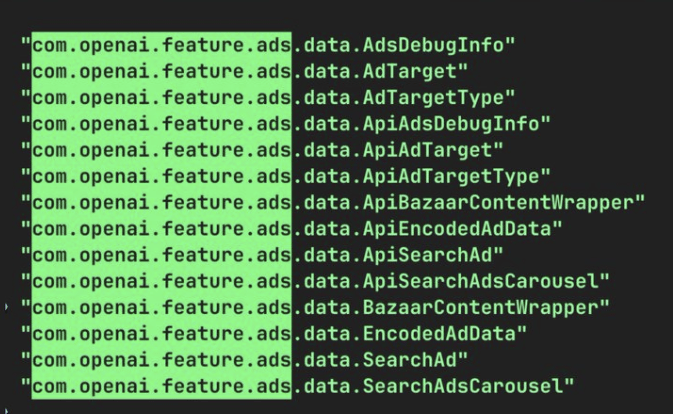
Source: Tibor Blaho/X
Okay, we need to talk about what's happening with ChatGPT. Yes, again. This is AI for you guys. Every day new fun to ponder over.
Remember when we all thought ChatGPT was this neutral, helpful assistant that would give us unbiased advice about everything from coding problems to relationship drama? Yeah, about that... OpenAI is apparently testing ads. Like, actual ads. In ChatGPT. The same ChatGPT we trust to help us make life decisions.
I discovered this while stress-eating leftover pad thai and scrolling through developer forums (my Friday nights are wild, I know). Someone found code in the Android beta referencing "search ads," "bazaar content," and "search ads carousel." That's not a typo or a test—that's infrastructure, baby.
The Part Where Sam Altman's Principles Meet Sam Altman's Bank Account
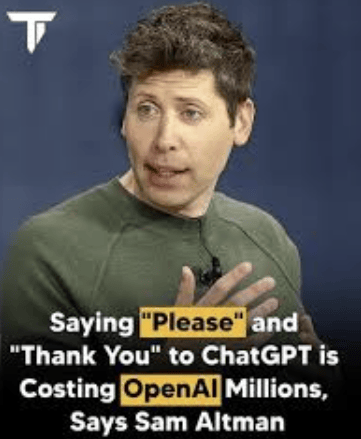
The ads are coming because you guys have been too polite. That should serve as a lesson…
Here's what's genuinely fascinating (and I use that word because "terrifying" seemed too dramatic): Sam Altman literally called ads combined with AI "uniquely unsettling" not that long ago. He positioned advertising as a "last resort" for OpenAI.
But then you look at the numbers and... wow. 800 million weekly users. 2.5 BILLION prompts daily. That's more conversations than I've had with actual humans in my entire life (not that hard to beat, but still). Each one of those prompts costs money to process, and subscriptions alone? Yeah, that math isn't mathing. To understand exactly how much it’s not mathing, read this.
The company has been hiring advertising folks from Meta like they're collecting Pokemon cards. They now have people who literally built Facebook's ad machine. When your CFO says you're "considering" advertising while simultaneously claiming there are "no active plans"—that's corporate speak for "we're totally doing this but don't want to spook anyone yet."
Amazon and Walmart: "Hold My Beer"
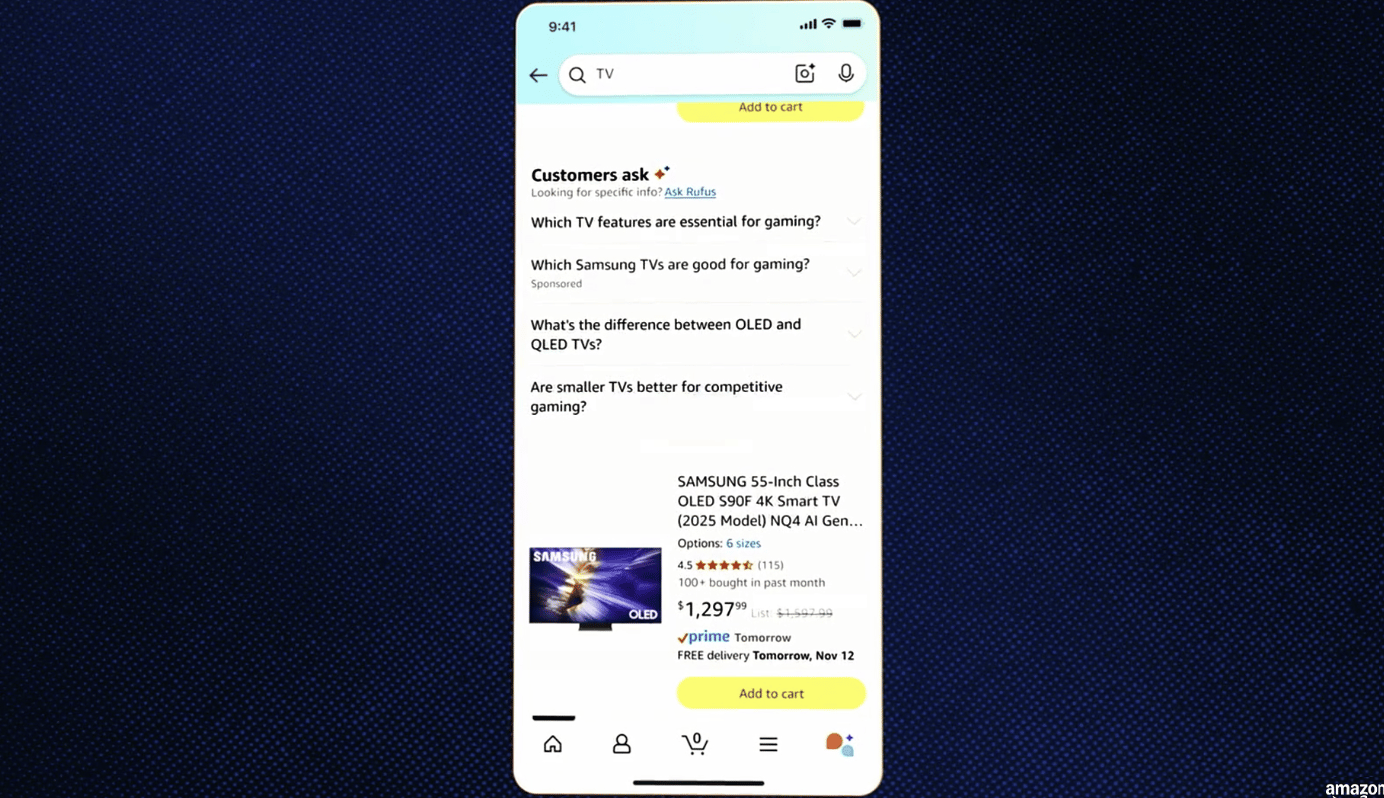
While OpenAI is having an existential crisis about advertising, Amazon and Walmart are already full-send on making their AI assistants into sales machines. And honestly? It's working better than anyone expected.
Amazon's Rufus is now serving 250 million customers. Here's the kicker: users show 60% higher purchase intent when using Rufus compared to regular search. SIXTY PERCENT. That's not an improvement; that's a complete behavioral shift.
So naturally, Amazon introduced "sponsored prompts"—basically suggested questions that pop up during your Rufus chat that just happen to lead to products someone paid to promote. You're researching TVs and suddenly Rufus is all "Hey, have you considered Samsung's quantum dot technology?" Smooth, Rufus. Real smooth.
Walmart's doing the same thing with their assistant Sparky (why do all AI assistants sound like pet names?). They tested prompts like "What energy drink has the most caffeine?"—which, let's be honest, is exactly the kind of unhinged question I'd ask at 3 AM while trying to finish a newsletter.
The Trust Thing (Or: Why This Makes My Brain Hurt)
Here's where I start spiraling into philosophical territory (bear with me, I promise this relates to your business). We trust AI chatbots differently than we trust Google or Facebook. When I ask ChatGPT for advice, I'm not expecting it to have a financial stake in my decision.
It's like asking your smartest friend for restaurant recommendations and then finding out they get a kickback from Olive Garden. The advice might still be good, but now you're wondering if they really think unlimited breadsticks are life-changing or if they just need that referral money.
The wild part? We give these AI assistants WAY more context than we'd ever give a search engine. Nobody types into Google: "I'm a stressed-out newsletter writer with mild insomnia who needs a coffee maker that won't judge me for my 2 AM brewing sessions." But we absolutely tell ChatGPT our whole life story before asking for product recommendations.
This means the targeting potential is absolutely bonkers. We're not talking about "people aged 25-34 who like coffee." We're talking about "anxious millennials who work from home, have mentioned budget constraints three times, and seem to have an unhealthy relationship with caffeine based on their conversation patterns."
(Yes, I feel personally attacked by my own example.)
The Part Where Everything Gets Uncomfortably Precise
Amazon and Walmart have been sitting on customer data for years like dragons hoarding gold. Now they're connecting all those dots with conversational AI, and the targeting capabilities are getting creepy-good.
Imagine this: You ask Rufus about camping gear. But Amazon knows you bought hiking boots last year, searched for national park guides, and read reviews for portable coffee makers (because priorities). Suddenly you're not just "person interested in camping"—you're "solo backpacker who values coffee quality over pack weight and probably needs therapy for their outdoor gear addiction."
The targeting precision makes current "personalized" ads look like someone throwing darts blindfolded. In a hurricane. While dizzy.
For sellers, this is simultaneously amazing and terrifying. Amazing because you can finally reach exactly the right people at exactly the right moment. Terrifying because if you don't have your data game tight, you're basically invisible to these AI systems.
What This Actually Means for Your Store (The Practical Stuff)
Look, I know I've been doom-and-glooming (it's kind of my brand at this point), but let's talk about what you actually need to do about this.
First, your product data needs to be absolutely pristine. I'm talking structured attributes, comprehensive descriptions, the works. These AI systems are only as good as the data they're fed, and if your product info looks like it was written by someone having a stroke, you're not showing up in any AI recommendations, sponsored or otherwise.
Amazon literally calls it "retail readiness"—which sounds like something from a military training manual but basically means "have your shit together." Complete product details, accurate titles, proper categorization. The boring stuff that everyone skips because it's not as fun as making TikToks.
Second, you need to start thinking about conversation paths, not conversion funnels. The old model was: see ad → click → browse → maybe buy. The new model is: have existential crisis at 2 AM → ask AI for help → get recommended solution → impulse buy while still in crisis mode. It's messier, but potentially way more effective.
The Attribution Nightmare (AKA: Good Luck Figuring Out What Worked)
Here's something that's going to make every marketer cry: attribution in conversational commerce is basically impossible. Someone might chat with Rufus about coffee makers across three sessions, read reviews, ask follow-up questions, then buy something completely different two weeks later. Which interaction gets credit?
Amazon's trying to solve this with "closed-loop attribution" for AI interactions, which sounds fancy but basically means they're guessing with more data. They can tell you which prompts led to clicks and eventual purchases, but the path between "user asked about coffee" and "user bought espresso machine" might involve 47 different touchpoints across multiple devices while Mercury is in retrograde.
The Bottom Line (Because This Newsletter Is Already Too Long)
ChatGPT getting ads isn't just another advertising channel opening up. It's a fundamental shift in how we discover and buy products online. We're moving from a world where ads were clearly ads to one where commercial interests are woven into seemingly neutral conversations.
For OpenAI, this is a massive risk. Their whole value prop has been "we're the unbiased AI assistant." Adding ads is like finding out your therapist is taking kickbacks from pharmaceutical companies. Even if the advice is still good, the trust is broken.
For Amazon and Walmart, it's easier. We already expect them to sell us stuff. Rufus recommending products is just a more conversational version of what they've always done. Nobody's shocked when a Walmart employee suggests you buy something at Walmart.
The question isn't whether this will happen—it's happening. Right now. While you're reading this. The question is whether we'll all just accept it (probably) and how quickly it becomes the new normal (very).
For those of us trying to sell things online, it means adapting fast or becoming invisible. The brands that figure out conversational commerce early will have advantages that no amount of traditional SEO can overcome. The ones that don't... well, they'll be competing for the shrinking pool of people who still use Google the old-fashioned way.
Is this progress? Is it dystopian? Is it just capitalism doing capitalism things? Honestly, I don't know anymore. But I do know that my ChatGPT conversations are about to get a lot more commercial, and I'm not sure how to feel about that.
(Though if it can finally recommend a coffee maker that doesn't judge my 2 AM brewing habits, I might be willing to overlook the whole "erosion of digital trust" thing.)
P.S. - OpenAI hired the people who built Meta's ad machine. That's like hiring the folks who designed the Death Star to build your "definitely not a Death Star" space station. Just saying.
P.P.S. - Amazon reports 60% higher purchase intent through Rufus. Either their AI is incredibly good at recommendations, or we're all way too susceptible to robot peer pressure. Probably both..
Do You Love The AI For Ecommerce Sellers Newsletter?
You can help us!
Spread the word to your colleagues or friends who you think would benefit from our weekly insights 🙂 Simply forward this issue.
In addition, we are open to sponsorships. We have more than 59,000 subscribers with 75% of our readers based in the US. To get our rate card and more info, email us at [email protected]
The Quick Read:
Teams are hitting “AI takeoff” by building self improving agentic tools that automate their entire workflow, creating compounding productivity loops that look like early stage singularity.
Buffer added “Share to ChatGPT or Claude” buttons and LLM shares already beat LinkedIn and X, proving users now prefer processing content via AI over reading it.
Biggest threat to ChatGPT in enterprise is not Gemini 3 but Nano Banana Pro. OpenAI must nail design tools, build an AI first suite, and compete with NotebookLM to stay sticky.
AI is Rewiring the Economy
Google launches Nano Banana Pro across Slides, Vids, Gemini and NotebookLM, bringing next gen image generation, infographics, and one click slide beautification to Workspace.
Google denies using Gmail content to train Gemini, but criticism grows as smart features auto enable by default, leaving privacy minded users opting out manually.
OpenAI and Jony Ive have finished the first AI device prototypes, hinting at a calm, always on companion that knows your history and filters your world, with launch expected within two years.
Marketers say AI will define next year’s winners as discovery shifts to AI native journeys, but most brands still lack first party data execution to keep up.
YouTube retail is exploding and Pixability’s study shows top creators, fast growing brand channels, and winning content formats shaping retail’s biggest video battleground.
What is the best time to pitch journalists? If you’ve ever seen me talk about AEO optimisation you will know why you should care about that.
n8n 2.0 arrives in December with security upgrades, UX refresh, breaking changes, and a migration tool, marking its biggest evolution since 1.0.
Retailers are now building AI only sites and content to rank inside ChatGPT and Gemini as AI referrals grow, and agentic shoppers arrive with much higher purchase intent.
Nano Banana Pro examples from the community, and it’s really something.
Google is placing ads inside AI Mode answers, signaling AI search is becoming a real ad channel and early advertisers can win cheap visibility before competition spikes.
From the Readers:
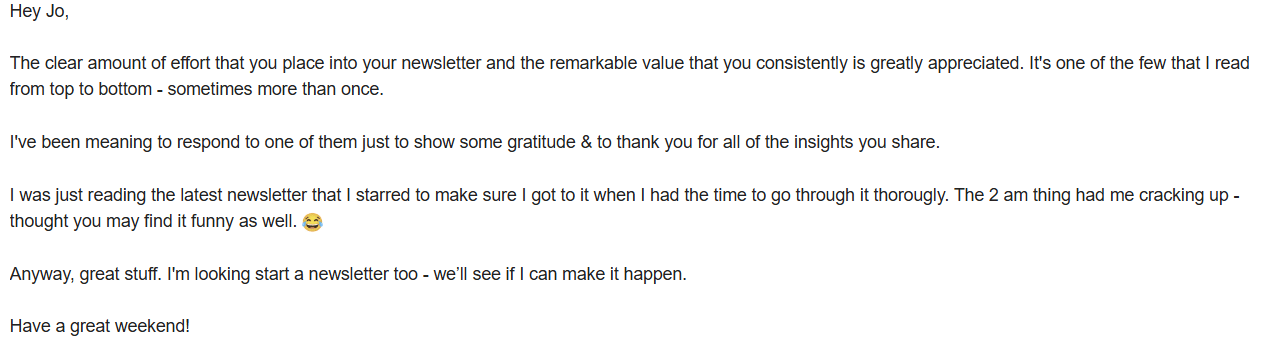
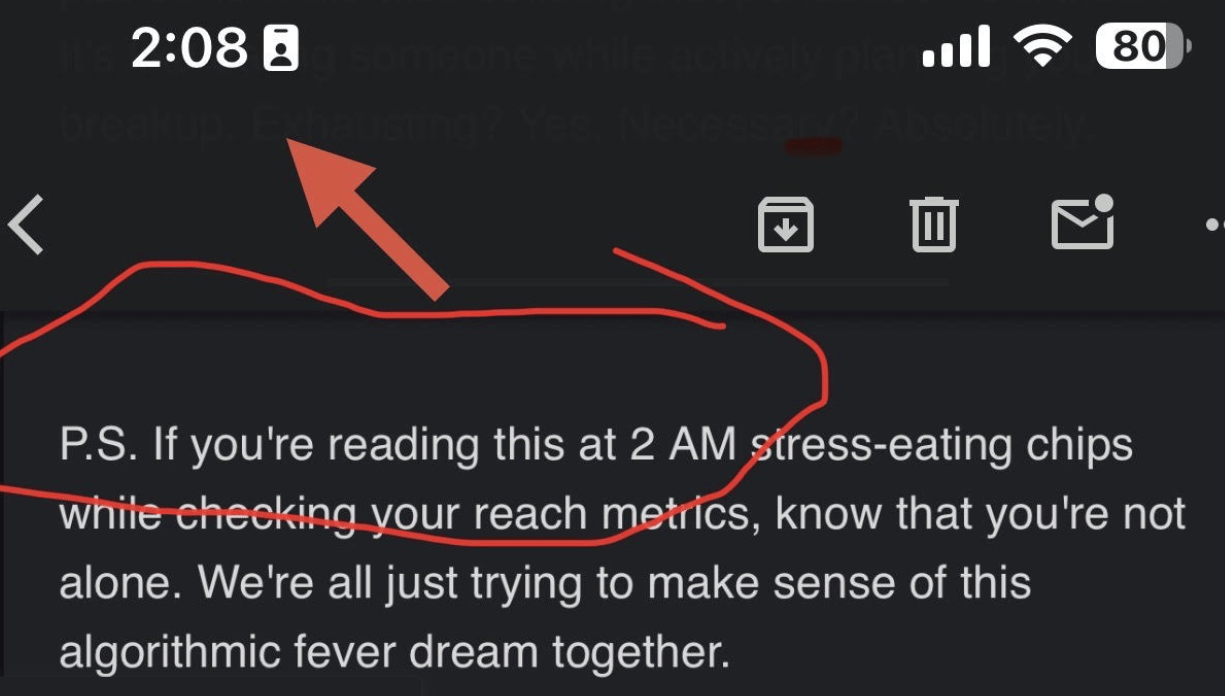
These make my week every time! Thank you!

From E.P
From J.N
The Tools List:
👨💼 KPI Builder - Discover the most crucial Key Performance Indicators (KPIs) for founders.
📊 Myko - Unlock hidden sales insights with AI.
🤖 D-ID Agents - Create and deploy digital people that work for you.
📧 Inbox Zero - Open-sourced AI email cleanup management
🔴 Record Once: Create video tutorials in minutes with an AI that edits and fixes mistakes.
About The Writer:

Jo Lambadjieva is an entrepreneur and AI expert in the e-commerce industry. She is the founder and CEO of Amazing Wave, an agency specializing in AI-driven solutions for e-commerce businesses. With over 13 years of experience in digital marketing, agency work, and e-commerce, Joanna has established herself as a thought leader in integrating AI technologies for business growth.
For Team and Agency AI training book an intro call here.